
Strings of Rebellion. The Untold Black Roots of Country Music

Country music tells a story of home, heritage, and belonging - but not everyone has been allowed inside. Beneath its whitewashed image lies a Black history that continues to surface, from the cotton fields to Beyoncé.
Who Gets to Belong in Country Music?
The year is 2016.
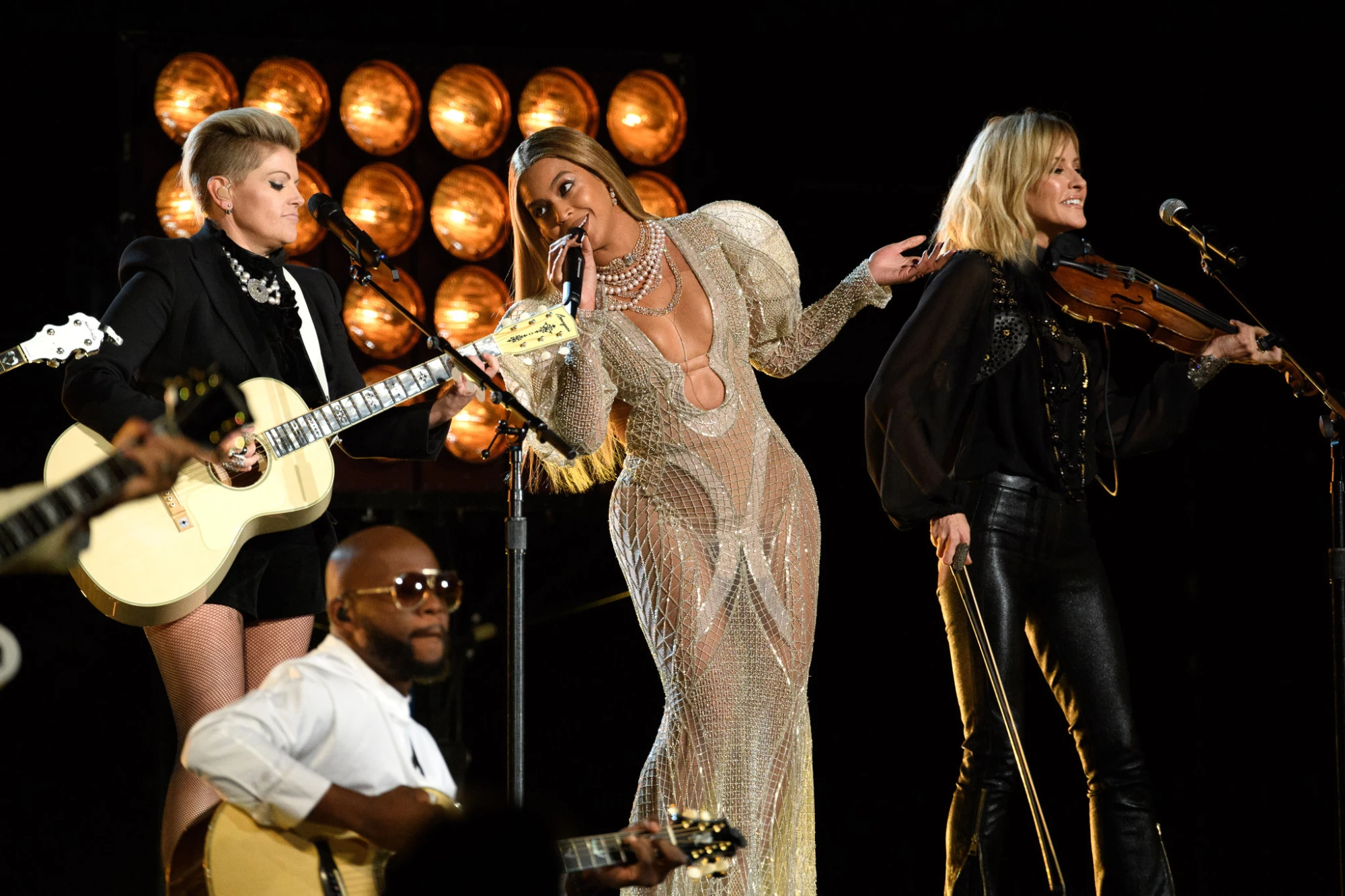
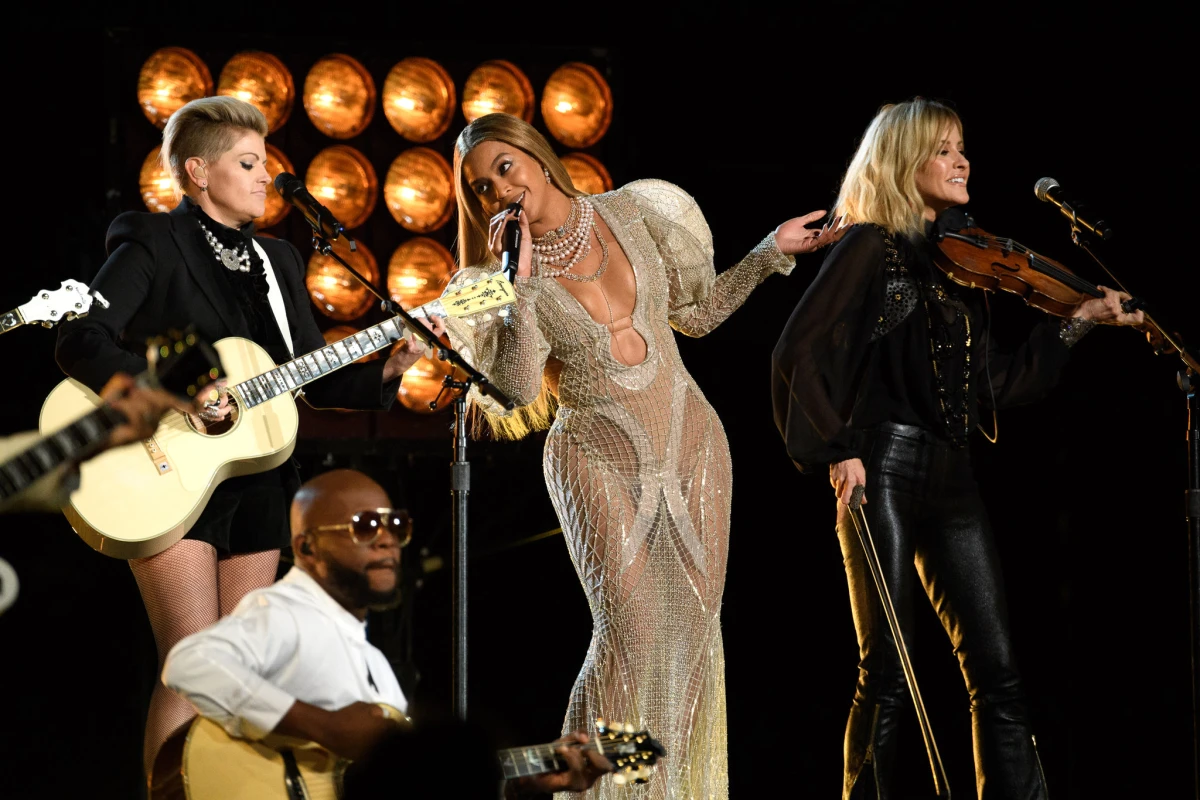
Under the bright lights of the Country Music Association Awards, Beyoncé steps onto the stage alongsideThe Chicks. Together, they perform Daddy Lessons, a song from her album Lemonade - a record widely read as an ode to her Southern roots, Black womanhood, and inherited survival from a father to his daughter. The performance is loud, unapologetic, rooted in brass, rhythm, and family myth. It sounds Southern. It sounds American. It sounds Country. And yet, the reaction to it is immediate and brutal.
The CMA’s posted a promotional clip of the performance. Online forums and comment sections erupt. Country music fans label Beyoncé an intruder – a pop star playing dress-up, someone who does not belong in their scene. Commentators argue that Daddy Lessons is “not real country”, that Beyoncé herself is “not country”, that her politics - her visibility as a Black woman who was very outspoken about police violence and Black Lives Matter - disqualify her. Some responses abandon pretense altogether, sliding into overt racism. The Chicks, despite their long history of controversy, receive none of this backlash. The difference is stark. Beyoncé is the only Black woman on that stage.
Shortly after the performance, the CMA removed the promotional clip from its platforms. Beyonce’s fans - The Beyhive as they have called themselves - accuse the organization of quietly bowing to racist pressure. The CMA responds with a carefully worded statement: the clip was apparently “unapproved“ by Beyoncé’s team, the collaboration had always been meant to be celebrated. But the message has already landed.
Years later, Beyoncé would reflect on that night by saying she “did not feel welcome”. That feeling would become fuel. According to The New York Times and NPR, it helped shape Cowboy Carter – an album that does not ask for permission but instead excavates Country music’s Black foundations and celebrates Black Country Music artists. Beyoncé would go on to become the first Black woman to top the Country charts. But Beyoncé’s experience was not an isolated case. And this moment did not begin in 2016. It echoed something much older.
Echoes from the Cotton Fields
Long before Country music had borders, it had voices.
Enslaved Africans carried more than forced labour across the Atlantic within them. In the cotton fields of the Southern States, music became the language of survival. Sung during slavery, blending African musical traditions with Christian hymns imposed by slaveholders, Negro spirituals emerged as sacred songs created by enslaved Africans, expressing communal grief, endurance, faith, and resistance at once. These hymns were not static: they shifted, improvised, and responded. From these spirituals grew Blues, Gospel, and the early folk traditions of the American South. Later, music moved freely between Black and poor white communities, especially in rural regions where labour and hardship overlapped. Songs were shared and instruments passed hand to hand.
What we now understand as Country music emerged from this shared terrain - shaped by Black musical knowledge that would later be stripped of its identity.
The Banjo’s Bloodline
Few instruments expose this erasure as clearly as the banjo.
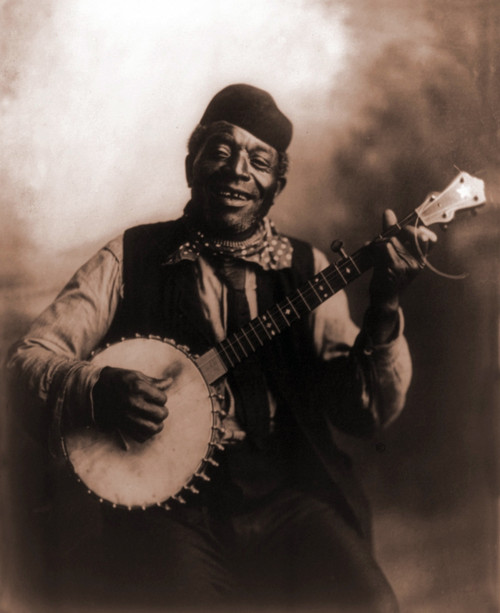
Often imagined as a symbol of white rural America, the modern banjo originated directly from West African instruments made of gourd. When enslaved Africans were brought to North America, they rebuilt these instruments using available materials, preserving techniques and tunings across generations.
In “Hidden in the Mix ”, writer Charles L. Hughes explains that Black banjo traditions profoundly shaped early American music - including what would later become Country. Yet as racial segregation hardened under Jim Crow, the banjo underwent a symbolic transformation due to social conditions changing. As Hughes and other scholars note, guitars proved more adaptable to emerging Blues styles, while the banjo lingered in white - dominated old-time and hillbilly music. The instrument did not lose its Black origins - those origins were overwritten.
Whitewashed Sounds and Broken Strings
By the 1920s, “hillbilly music” had become the dominant popular music of the rural South. It was marketed as the authentic voice of white mountain culture. But the reality behind the records told a different story.
Historian Patrick Huber documents that between 1924 and 1932, nearly fifty African American musicians appeared on commercial hillbilly recordings. According to his essay “Black Hillbillies: African American Musicians on Old-Time Records, 1924–1932,” racially integrated recording sessions occurred more frequently in hillbilly music than in any other popular genre of the time except vaudeville blues. Black and white musicians recorded together. They shared studios. They shared repertoires. Hillbilly music was not a sealed white tradition - it was collaboration shaped by proximity and shared sound. It was once the music became profitable that the industry intervened.
When Sound Became Segregated
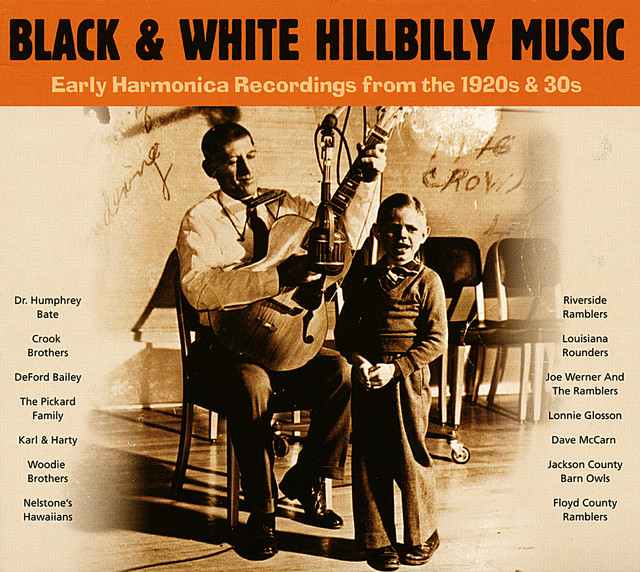
As hillbilly music became commercially viable in the 1920s, record labels began to impose rigid categories on a sound that had previously circulated freely. Record labels divided catalogues into two separate categories: “race records” and “hillbilly records.” As documented by music historians such as Patrick Huber and Diane Pecknold, this division was less about musical style than about marketing efficiency and racial ideology. Black artists were pushed into race records regardless of genre. White artists defined hillbilly authenticity. This marketing decision reshaped musical history in lasting ways. Black musicians who appeared on hillbilly records were often uncredited. Their images were removed from promotional materials or replaced with white stand-ins. Album covers depicted an idyllic, white, pre-industrial South - log cabins, barns, mountain landscapes - a world cleansed of Black presence.
What began as a commercial sorting mechanism quickly hardened into a genre boundary - one that racialized sound itself and pushed Black musicians to the margins of a genre they had helped shape. In “You’re My Soul Song: How Southern Soul Changed Country Music ”, writer Charles L. Hughes argues that Country’s whiteness was not natural but produced. Black musicians shaped the genre sonically while being systematically excluded from its public identity. Country music became a space where Black influence was audible but Black bodies were unwelcome.
Erasure Is Not Absence
Despite this exclusion, Black presence never disappeared. It survived in fragments and footnotes, and moments of resistance.
Songs written by African American composers entered the Country canon without credit. Virginia’s former state song, Carry Me Back to Old Virginia, was written by James Bland, a Black songwriter whose authorship is rarely acknowledged. Black artists continued to shape the genre through Southern Soul, Gospel, and crossover collaborations - often framed as anomalies rather than inheritances.
In recent years, a new wave of Black Country artists has gained visibility. Following the mainstream breakthrough of Lil Nas X, performers such as Shaboozey, Mickey Guyton, Brittney Spencer, Kane Brown, Rhiannon Giddens, and Yola have entered Country charts, award stages, and radio rotation. Yet this visibility has not fundamentally altered the genre’s logic. Black Country artists are still treated as exceptions, their presence framed as disruption, their success as novelty rather than continuity. The door appears open - but only on condition that Blackness remains marked.
Beyoncé’s 2016 performance followed this script precisely. The backlash was not about sound. It was about gatekeeping.
Country Was Never Lost
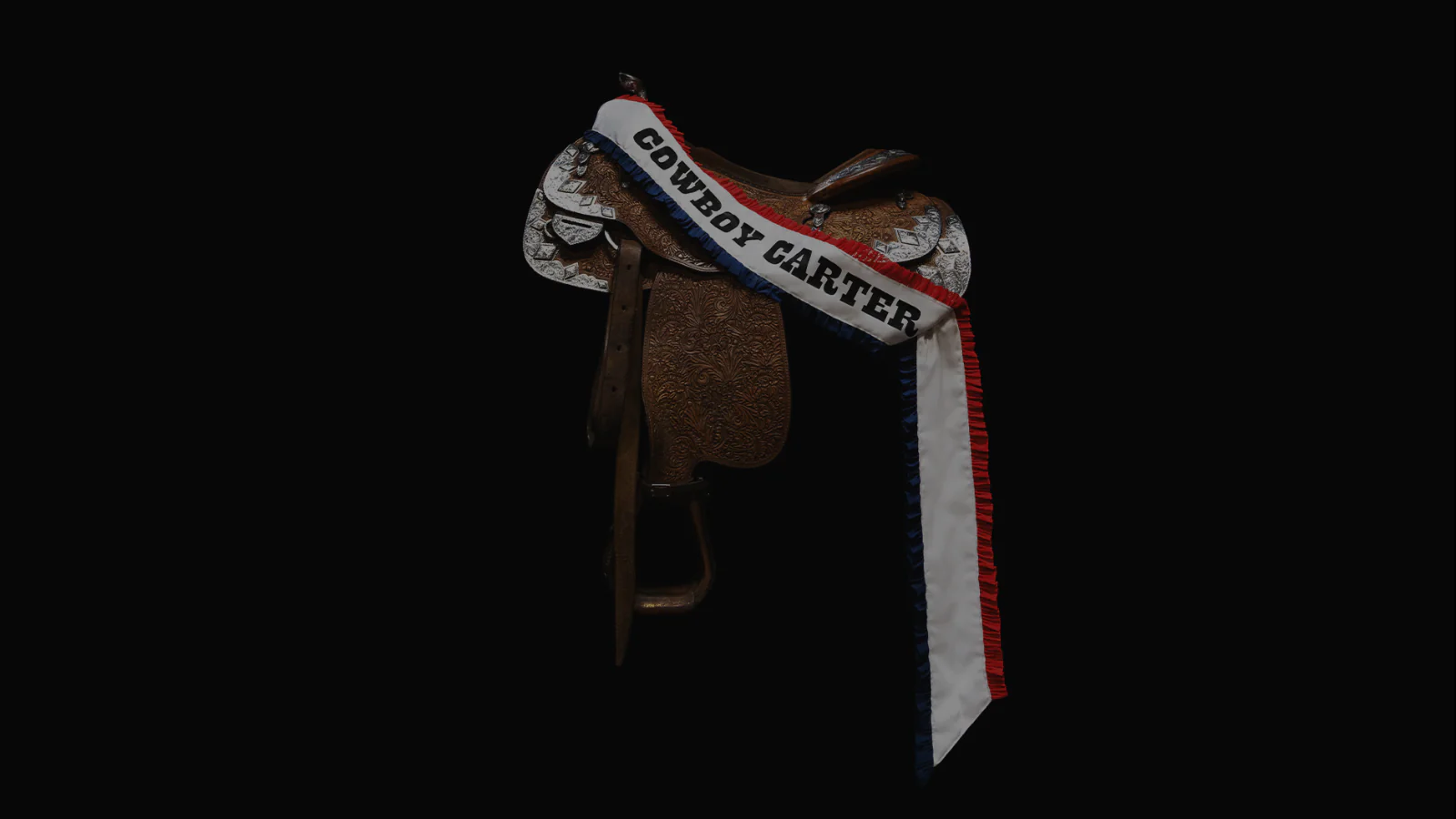
When Beyoncé stepped onto the CMA stage in 2016 and was met with exclusion and hostility rather than recognition, she did not retreat. Instead, she responded in the language she knows best. Cowboy Carter emerged not as a request for entry, but as a deliberate act of remembrance. Across the album, Beyoncé traces Country music’s Black foundations by sampling archival recordings, centering banjo- and fiddle-led arrangements rooted in African and Southern Black musical traditions, and deliberately foregrounding voices that Country history has sidelined. One of the album’s most pointed gestures is the inclusion of Linda Martell - the first Black woman to perform at the Grand Ole Opry. In her song Spaghettii, Beyoncé deliberately includes the voice of Linda Martell not as a nostalgic footnote, but as living lineage. By placing Martell within the album’s narrative, Beyoncé links past and present, revealing a lineage that Country music has long denied. In doing so, Beyoncé does not rewrite history - she restores it. The genre did not become exclusionary overnight; it was shaped, marketed, and carefully maintained that way. And yet, its roots remain visible to those willing to listen.