
Caribbean Flows Part II: The Sound Behind American Hip Hop

This article aims to explore the frequently overlooked history of the cultural, social and political influence of Afro-Caribbean communities on the United States, and more specifically on African-American communities. The article will be published in two parts. The first part, From the Caribbean to America, A Hidden Legacy, focuses on the history of slavery in North America, its abolition and US colonialism in the region — from the formulation of the Monroe Doctrine (1823) to the invasions of Grenada (1983) and Panama (1989). The second part, The Sound Behind American Hip Hop, examines the influence of Afro-Caribbean communities on contemporary music in greater detail, focusing on the scenes in Atlanta and Florida.
The Diaspora
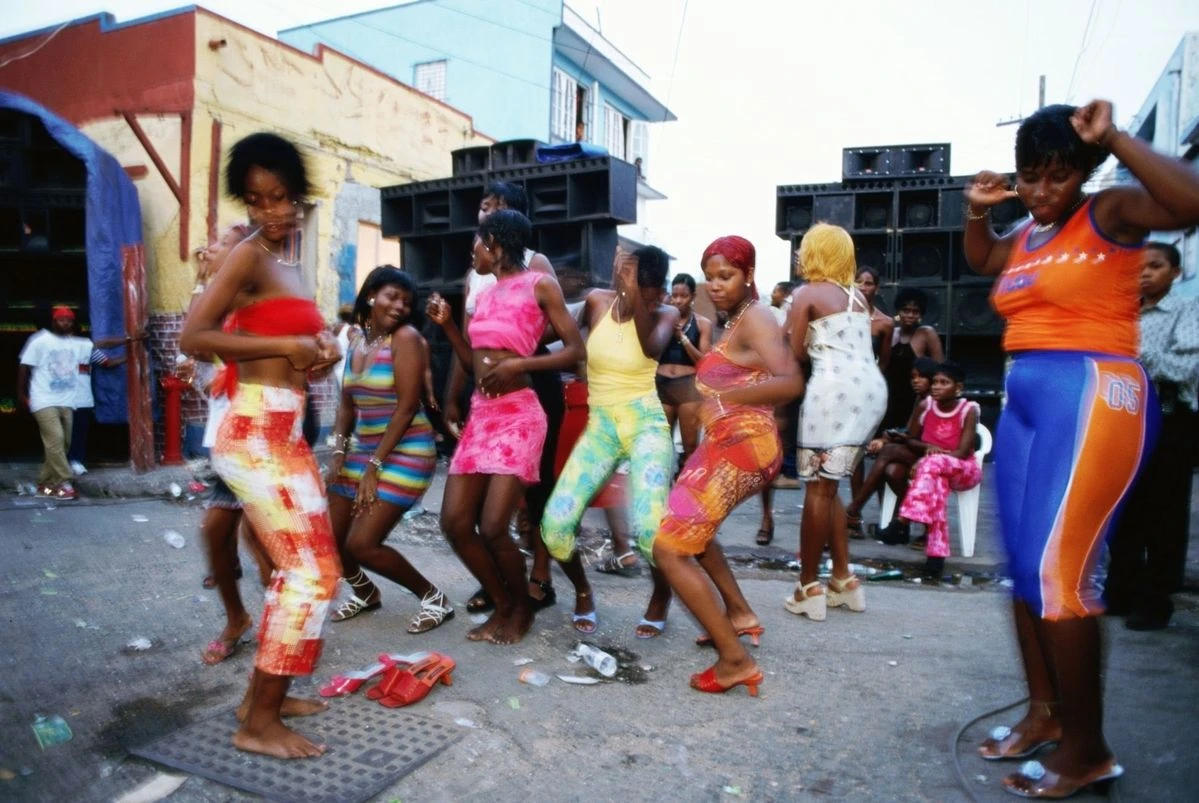
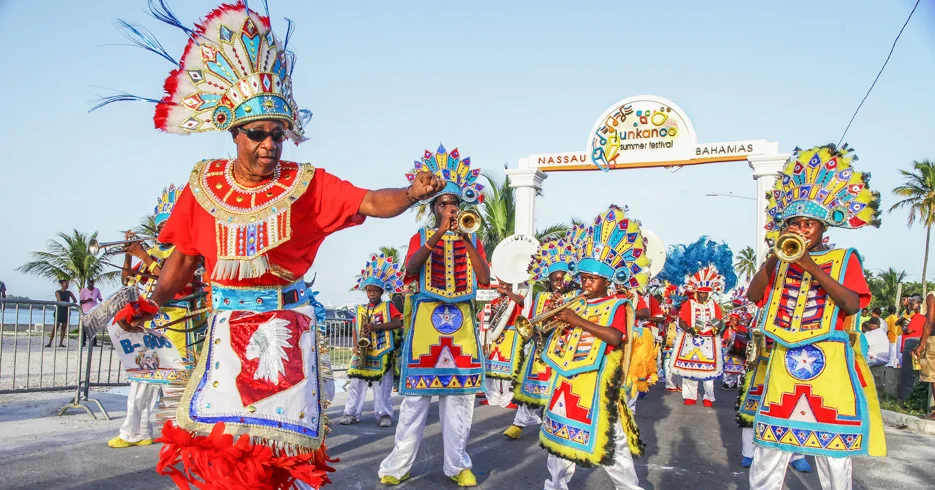
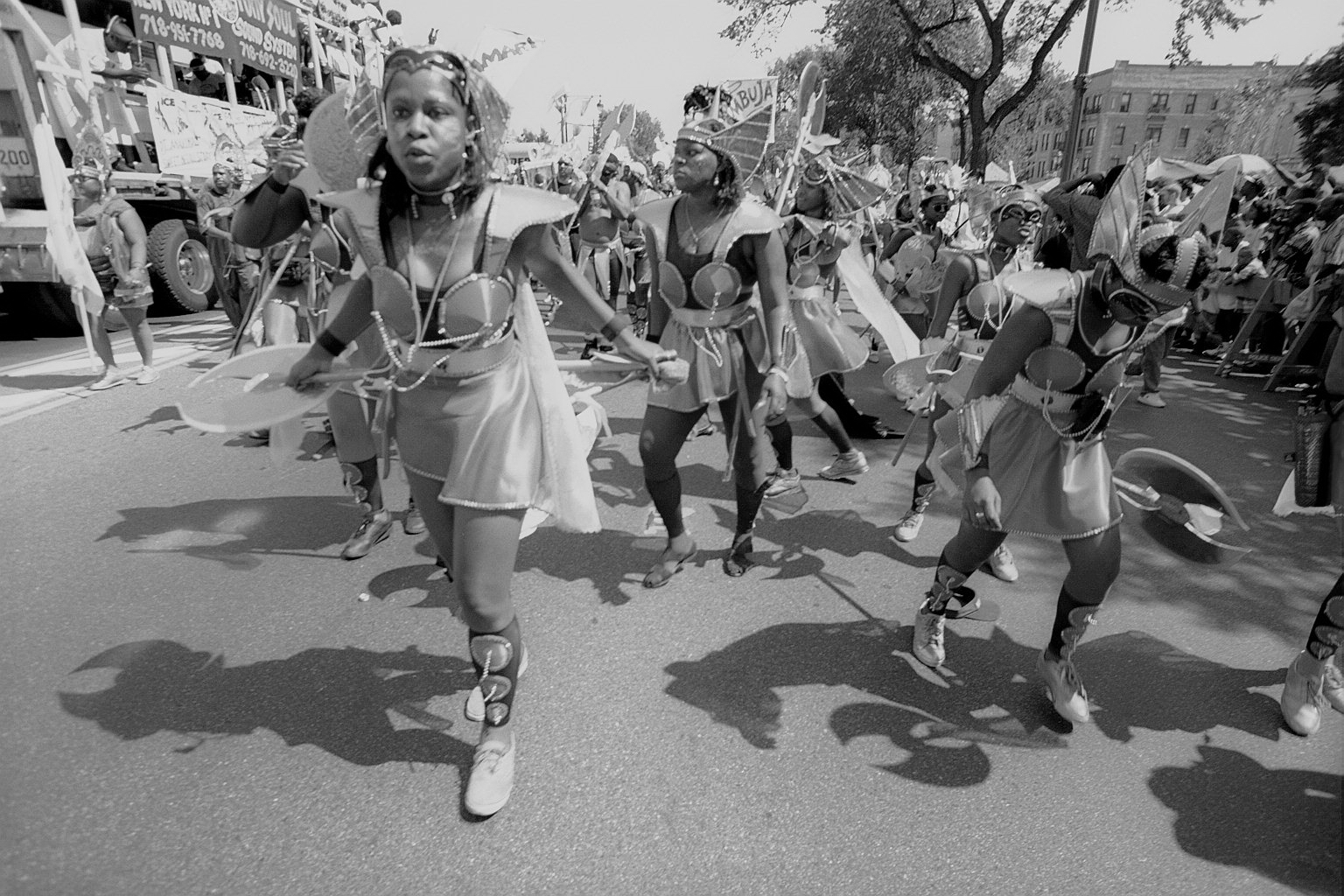
Nowadays, if you want to savour Trinidadian specialties in New Orleans, you can head to Queen Trini Lisa on the corner of Saint Solomon and D’Hemecourt Streets, where the owner, Chef Lisa Nelson, is a local fixture. A first-generation immigrant from Trinidad and Tobago, Lisa brings Soul Food to the “Northernmost Caribbean City” — as New Orleans is described on the restaurant's website — blending the Caribbean and African flavours she grew up with while helping her mother in the kitchen. Similarly, every year on Memorial Day weekend, which falls on the last Monday in May, Atlanta comes alive with colour, flags and music as Caribbean communities celebrate Carnival, a deeply cherished festival in the islands, which is known as Junkanoo in the Bahamas, Crop Over in Barbados and Jab-Jab in Grenada. Furthermore, the Little Havana neighbourhood in the heart of Miami is a Cuban enclave within Florida, home to many of the million of Caribbean immigrants who have arrived in the city since the first waves of migration from the islands in the 1950s.
There are thousands of examples like these scattered throughout the United States, particularly along the East Coast between Florida and New York.
Upon their arrival in the United States, the Caribbean immigrants from various diasporas certainly didn’t find an inclusive and open place waiting for them. Government-imposed discrimination and restrictions were commonplace, especially at the turn of the 20th century, and inhabitants of the former West Indies, particularly those of Afro-Caribbean descent, mostly settled on the outskirts of cities, quickly integrating into African American communities, swelling the ranks of the large segment of the population whose labour the US government had exploited for centuries, only to abandon them and relegate them to the margins of major urban centres.
Caribbean immigrants made significant contributions to African American communities here, bringing about important changes ranging from the religious sphere to a different approach to their Black identity, from the cultural realm to linguistic and artistic areas, among others.
As well as the political dimension, which could be explored in depth to understand the role Caribbean thinkers played in developing African American activism and Black thought theories, music played a crucial role in defining Caribbean identity in the United States.
Atlanta: Where Rap Became a Million-Dollar Industry
If a ranking were compiled of the importance of American cities to Afro-Caribbeans in the second half of the 20th century, Atlanta would come second only to New York. Since the 1980s, in fact, a process of internal migration has been underway, with a significant number of New York residents of Caribbean descent moving to Atlanta, drawn by a lower cost of living, greater job opportunities and a larger African-American community. Atlanta has thus become one of the most significant hubs of the cultural transformation brought about by the Caribbean islands. Here, Caribbean traditions have quickly merged with the local African-American community, resulting in new forms of identity expression, particularly through music, especially rap. Atlanta has, in fact, contributed crucial elements to rap as we know it today. While hip-hop was born and raised in New York, it's fair to say that it became a million-dollar industry in Atlanta.
When the city experienced its first waves of internal migration from New York, its music scene was firmly rooted in soul and R&B. However, the arrival of large numbers of people from the Big Apple quickly reshaped the city’s musical trends. Lil Jon, one of the founding fathers of trap music, started out as a DJ, spinning dancehall and reggae records at a local radio station. Another key figure among the genre’s creators is the duo Ghetto Mafia. One of their members, Nino, is from St. Croix in the U.S. Virgin Islands and has always been influenced by dancehall music. Another hugely important duo in the genre's history is OutKast, creators of global hits such as Hey Ya! and Ms. Jackson. Their third album, Aquemini, experiments with sounds blending traditional soul and funk with dancehall, reggae and the rhythmic patterns typical of Caribbean music, drawing particular inspiration from Bob Marley and the Wailers, a group both OutKast members, Big Boi and André 3000, are huge fans of.
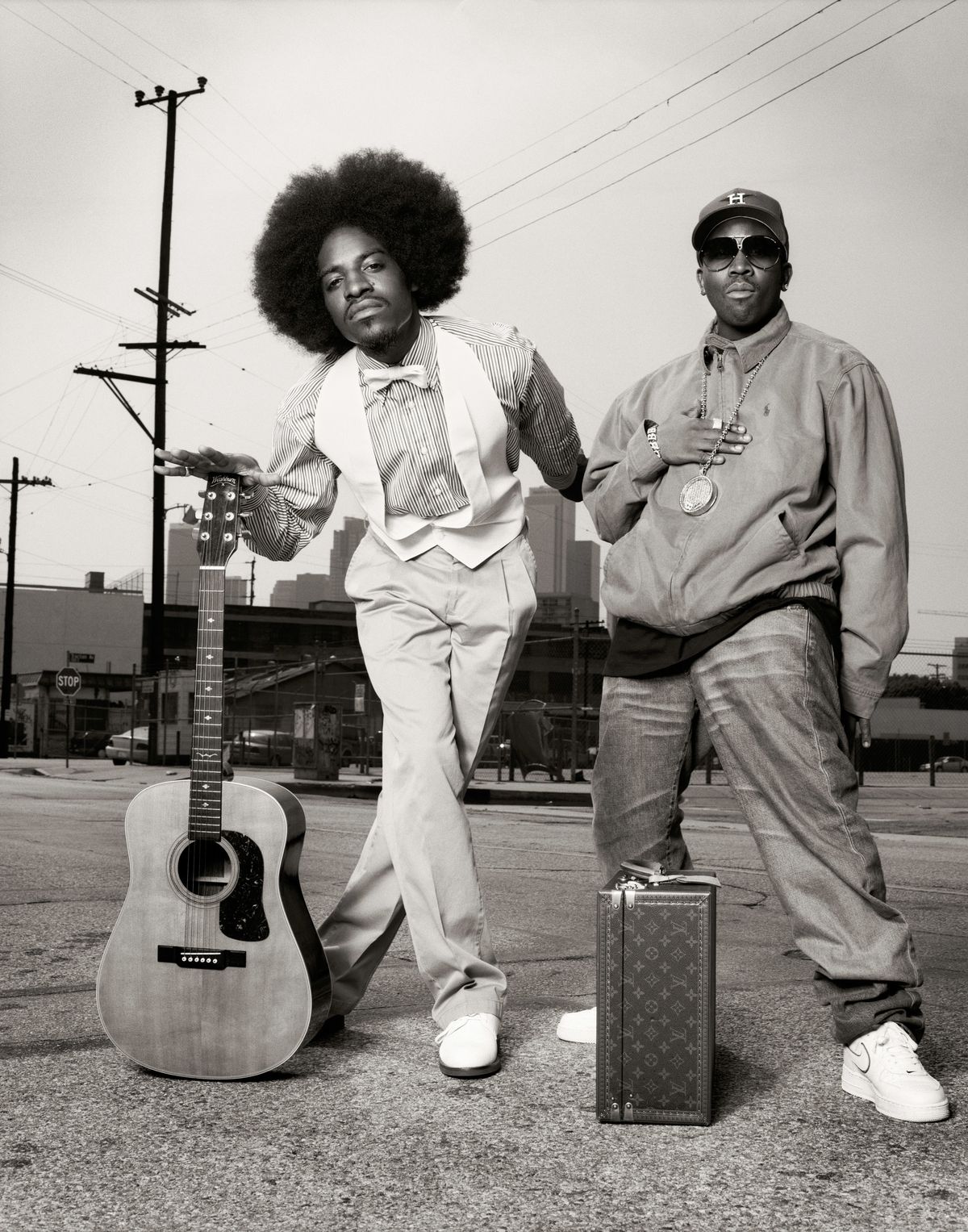
However, the Caribbean's influence on the Atlanta rap scene extends well beyond the 1990s and 2000s. Gucci Mane, one of Atlanta’s most prominent rappers, has stated that he has Jamaican roots and began his career at Big Cat Records, a label founded by a fellow immigrant from Jamaica. Similarly, Young Nudy and his cousin 21 Savage, two other major figures in the city’s rap scene, have roots in Jamaica, Dominica and St Vincent and the Grenadines respectively. In particular, one can sense the influence of Patois and a certain vocal style — more spoken and rhythmic, and less melodic — in 21 Savage’s music, which has helped shape Atlanta’s rap and trap scenes.
The development of trap music in Atlanta has been particularly pronounced compared to other U.S. cities, and this may be partly due to Caribbean cultural influences. The city’s large Afro-Caribbean community, often marginalised and forced to live in hardship and poverty on the outskirts of the city centre, did not merely use rap as a vehicle for frustration and a means to change its social status. Rather, it evolved the genre by shaping its most materialistic and superficial form, namely emphasising the economic aspect of success and constructing a narrative centred on luxury, status and financial independence. This has made it the dominant language of the contemporary hip-hop scene.
Florida: The Intermediate Step
Unlike New York and Atlanta, Florida is a unique case. This is not only because of its geographical proximity to the Caribbean, which makes it a bridge between two worlds, but also because the state is home to large and widespread Caribbean communities. While Miami is often described as a northern extension of the Caribbean and the main hub for the Cuban community, Caribbean immigration in Florida is spread throughout the entire state. The diaspora has established communities in various parts of the state: while the largest concentrations are found in the central and southern regions, the expansion extends even to the northern areas, reaching as far as Duval County on the border with Georgia [1]. It is precisely in this county that the city of Jacksonville is located — one of the most violent cities in Florida — which has seen in recent years several local gangsta rappers emerge on the national scene, many of whom have Caribbean origins.
To find the true roots of the connection between Florida rap and the Caribbean, however, we must travel through space and time: further south and more than thirty years back. While New York gave birth to the genre and Atlanta transformed it into the materialistic form known today as trap, the intermediate step can be traced to Florida, where rap’s moral boundaries were tested through Miami Bass, a subgenre inspired by sound system and dancehall culture. In 1989, the group 2 Live Crew released the album As Nasty as They Wanna Be. This became the first album in US history to be legally declared “obscene” by a federal court, resulting in the arrest of several members of the collective. At the centre of this media storm was the group’s leader, Luther Campbell (Uncle Luke), who was born in Miami to parents of Jamaican and Bahamian descent. 2 Live Crew’s musical aesthetic drew from Jamaican slackness — namely, the explicit and playful lyrics and performances typical of the islands' dance halls. The album transformed this style into a statement of freedom, a declaration by a community that wanted to express its culture and origins without asking permission.
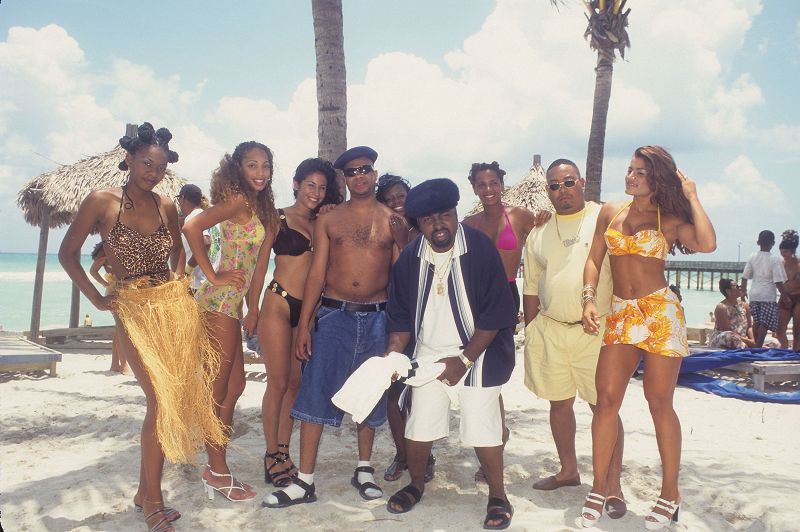
The work of the Miami Bass pioneers has also inspired subsequent generations of Florida rap. If autotune is ubiquitous in global music today, it is largely thanks to T-Pain, who was born in the state capital, Tallahassee, but takes pride in his Bahamian heritage. He is an artist who has masterfully blended R&B melodies with the rawer sound of 2000s rap. The connection to Caribbean roots remains a cornerstone for even the newest generation of artists: those who, since the 2010s, have propelled rap to the top of the charts and into the headlines around the world. Bill Kahan Kapri, also known as Kodak Black, is a native of Pompano Beach and the son of Haitian immigrants, and his rise to fame has symbolised the social redemption of a community that is often stigmatised, even within African-American culture itself. Kodak has transformed his connection to Haiti into a defining part of his identity. In albums such as Haitian Boy Kodak and in various songs and music videos, he has celebrated the important role that immigrants play in American society. He has also proudly claimed his origins in the world’s first Black republic.
Conclusion
The Caribbean immigrant population in the United States is extremely heterogeneous in linguistic, cultural and ethnic terms. Classifying both Cubans and Bahamians under the same umbrella is reductive and overly general. However, what all Caribbean immigrants in the United States have in common is their significant contribution to one of the world's most diverse societies, bringing with them their own cultures, religions, and linguistic traits.
According to the Migration Policy Institute, Caribbean immigrants are more likely to be naturalised U.S. citizens - i.e. to get the green card - than the overall foreign-born population in the United States. Currently, approximately 60% of Caribbean immigrants are naturalised, which exceeds the 51% average for the total immigrant population in the U.S. This greater institutional integration also helps to explain the strong impact of Caribbean communities at various levels, including in the arts. Feeling included in and as an integral part of the U.S. social fabric serves as an incentive that triggers a process of greater involvement and public presence within American society.
Another significant aspect is the economic one. While the flow of migrants from the Caribbean to the United States was and still is a consequence of Washington’s impoverishment of the islands, the diaspora also impacts the countries of origin through remittances. According to World Bank estimates, Caribbean migrants scattered across the globe sent approximately $20 billion in remittances to the Caribbean through formal channels in 2024, representing a 158% increase compared to 2010. Some Caribbean economies, such as Haiti and Jamaica, are more dependent than others on remittances, with repatriated funds accounting for 19% and 18% of gross domestic product (GDP), respectively. This is a factor that should not be underestimated when discussing a geopolitical region that continues to suffer greatly from Western foreign policies. In this sense, the Afro-Caribbean diaspora is a transnational force capable of connecting cultures, histories and economies, not merely a phenomenon confined to the United States. Its impact continues to redefine and influence countries separated by miles of ocean, helping to maintain a connection to their origins.
Bibliography
Batalova, Jeanne, and Rutland, Allison (2025), Caribbean Immigrants in the United States, migrationpolicy.org.
Colby, Jason M. (2011), The Business of Empire. United Fruit, Race, and U.S. Expansion in Central America, Cornell University Press, Ithaca (NY).
Colby, Jason M. (2017), The United States and the Caribbean, 1877–1920, Gilder Lehrman Institute of American History.
Lewis, Thomas Tandy (2022), Transatlantic Slave Trade Begins, Ebsco.
Missouri Sherman-Peter, Angela (2022), The Legacy of Slavery and the Journey Towards Justice, UN Chronicles.
Payne, Anthony (2000), Rethinking United States-Caribbean Relations: Towards a New Mode of Trans-territorial Governance, Review of International Studies, 26.1.
Tavernier, LaToya Asantelle (2015), On the Midnight Train To Georgia: Afro-Caribbeans and the New Great Migration to Atlanta, Cuny Academic Works.
[1] Batalova, Jeanne, and Rutland, Allison (2025), Caribbean Immigrants in the United States, migrationpolicy.org. Available at https://www.migrationpolicy.org/journal/spotlight/caribbean-immigrants-united-states.